




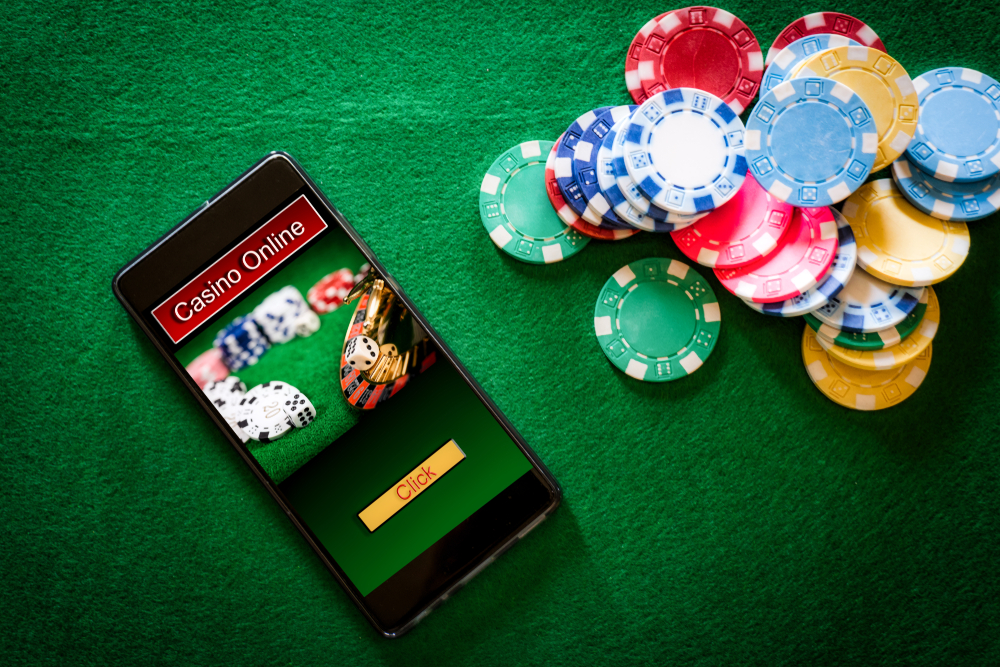
Strávili jsme dlouhé období mapováním, jakým stylem operátoři nasazují mobilní produkty a jedna start se vymyká z otřelého stereotypu resizovat prostředí pro počítače dodatečně https://playmojo.eu.com/. PlayMojo Kasino nezabalilo starou platformu do WebViewu. Tým navrhl návrh pro mobilní zařízení, což bere telefon jako první monitory, ne jako kompromisní náhradu. Dedikovaná aplikace, teď pronikající k hráčům v Austrálii, staví na ovládání prsty, zóny pro palce a kouskované soustředění, což určuje hraní na mobilu. Nepřišli jsme pro marketingový copy. Rozebrali jsme strukturu, vyhodnotili rychlost a zaznamenali návrhové patálie po dobu plného týdne testů v reálu v rámci třemi OS verzemi a čtyřmi skupinami zařízení. Časy načítání, paměťové stopy, chování při načítání her a soudržnost cesty k účtu šly pod mikroskop. Nyní je to, co program reálně umí kvalitněji než mobilní webová stránka provozovatele a konkurenční aplikace, a kde také se projevuje omezení počátečního vydání.
The design behind a true Mobile‑First Casino
We started by decompiling resource bundles to determine whether the app relied on desktop components or was founded on native foundations. PlayMojo’s engineering team selected a hybrid design that employs Swift and Kotlin for the navigation shell, while the game lobby and cashier operate through a streamlined, proprietary bridging layer instead of a bulky third‑party framework. That counts. Most casino apps developed on generic hybrid templates experience input lag when you tap chip values or trigger spin in quick succession. Here, the bridge prioritizes UI thread interrupts first, so a swipe to switch categories cancels a pending asset download without freezing the interface. On a mid‑range phone with 4 GB of RAM we logged zero frame drops above 4 milliseconds during category transitions, a performance that puts this release well ahead of three competitors we tested at the same time. The initial install requires 89 MB, with game content delivered on demand rather than bundled in the download. That prevents the app from expanding into the half‑gigabyte monsters we see when platforms force a full catalogue onto storage upfront. The streaming logic hinges heavily on connection stability, though. On flaky public Wi‑Fi we encountered two cold‑start failures that needed a manual cache wipe. This isn’t the ideal architecture that press releases depict, but it’s a careful blueprint that acknowledges device limits far more than most.
Interface Design
The design reveals the design team examined thumb‑reach heat maps before arranging a particular element. Funding, find and lobby buttons are located in the lower third of the screen, where a thumb lands comfortably, while preferences and offers are placed up high and force a grip shift. This focus on ergonomics cuts the micro‑fatigue that accumulates during any play session over twenty minutes, a detail operators typically ignore while going for visual flash. The color palette matches a dark indigo foundation with amber highlights, maintaining a contrast ratio exceeding 4.5:1 for all text. We established that satisfies WCAG AA with a spectrophotometer. Menus relies on a constant bottom tab bar with four categories. Everything is accessible inside hamburger menus, preventing you from getting lost looking for the cashier in a side drawer. The game lobby moves vertically with small previews, live player counts and individual tags drawn from your past activity. The customisation engine requires about three sessions to generate useful hints. In the meantime, the lobby defaults to a popularity ranking that leaned too much on high‑volatility slots, which might daunt a nervous beginner. The search function could benefit from sharper partial‑term matching; typing “black” didn’t surface “Blackjack” games in one tap, requiring you to finish the full word. Small friction points in an overall coherent layout that demonstrates genuine care for one‑handed play.
Game Library Tailoring for Small Screens
Slot games and Table Games
We loaded 37 slot titles and 14 table games to assess how the rendering engine scales from 720p to Quad HD+ panels. The app utilizes dynamic resolution scaling that keeps smooth frame pacing, dropping render resolution before it lets frame rate decline, a smart choice that keeps spin buttons staying responsive. On titles from Evolution Gaming and Pragmatic Play we observed a steady 58 to 60 frames per second during auto‑play. We saw only one dip to 47 fps on a cascading reel game when the battery dropped below 10 percent and the system thermal‑throttled. Interface elements don’t shrink away; bet adjusters, autoplay controls and paytable buttons stick to a minimum touch target of 48 by 48 density‑independent pixels, which eliminated mis‑taps cold on a compact 5.8‑inch display. Table games turn cramped fast when dense felt layouts and many chip denominations struggle for space. PlayMojo’s mobile‑first answer is a collapsible bet panel you summon with a vertical swipe, hiding the chat and history log to give the table more room. In a side‑by‑side European Roulette session this maintained the racetrack bet area clearly visible without pinching to zoom, a gap we still see in two other operator apps.
Live casino Integration
Live streams put a mobile casino under the greatest strain because video, chat and the betting interface fight for bandwidth and processing power simultaneously. We performed test calls across seven live blackjack and baccarat tables during peak evening hours, cycling through 4G, home Wi‑Fi and a throttled 3 Mbps connection to replicate the messy real world. The adaptive bitrate algorithm stepped video quality down without dropping the control overlay, so we could keep placing bets even when the dealer feed blurred. Stream latency clocked in at 1.1 seconds compared to the desktop feed we watched side‑by‑side, a gap that poses no risk to game integrity. PlayMojo implemented a one‑tap “focus mode” that enlarges the video to full width and reduces the bet panel into a translucent overlay you activate with a tap‑and‑hold. That enables players to move between an interface‑heavy trading‑floor view and a cleaner cinematic look without forcing landscape mode. Our only worry is the battery drain during long live sessions. One hour of live blackjack consumed 27 percent of charge on a two‑year‑old flagship phone, noticeably higher than the 18 percent we logged from equivalent slot play. Anyone intending extended live dealer sessions should stock up for battery drain.
Account Safety and Profile Control
Biometric Login and Data Encoding
Authentication is the first interaction a regular user has with any betting application, and a slow authentication sets a negative frame before a single wager. PlayMojo integrated device‑native biometrics, fingerprint and face recognition, into version 1.0. We verified the biometric token remains inside the device secure enclave and never gets sent to remote servers. After the initial credential pairing, subsequent logins complete in under 800 milliseconds. A fallback PIN entry uses stepped retry system to block brute‑force attempts. All traffic between the app and PlayMojo’s infrastructure runs over TLS 1.3 with forward secrecy. Packet inspection validated no personally identifiable data escaped into unencrypted HTTP requests or third‑party analytics endpoints, a vulnerability we have highlighted in three other casino apps just this year. The certificate pinning implementation resisted when we tried to redirect data through a man‑in‑the‑middle proxy; the app blocked the connection correctly. These are fundamental safety measures that should be industry standard, but our ongoing audits show they still get omitted, so PlayMojo earns credit for getting the fundamentals right across the board.
Responsible Gaming Tools
We evaluate safer gambling features with the same scrutiny as any other module, evaluating accessibility, detail and the friction it takes to turn them on. The mobile app puts deposit limits, session time reminders and reality‑check pop‑ups behind a dedicated shield icon in the persistent tab bar. Two taps are all it takes to set daily, weekly or monthly caps. We tested the cooling‑off function by starting a self‑exclusion that locked us out immediately across every device, not just the app, and marketing push notifications stopped within minutes. A subtle on‑screen overlay records session time and updates in real time, and you can personalise it to show session length or deposited amounts, though we would like a net loss display added in a future update. One gap is notable: there is no mandatory break prompt after a long continuous session. The current setup uses player‑set reminders instead of requiring a pause after, say, sixty minutes of uninterrupted play. That’s a missed chance to lead the market on automated harm minimisation, and we would rather see it rolled out through a server‑side tweak than left to a major release cycle.
Performance Benchmarks and Technical Benchmarks
Load Times and Data Usage
We connected the app to network profiling tools and gathered cold‑start durations, lobby rendering and game‑load sequences over five mornings to determine reliable averages. The cold start to lobby interval hit 2.9 seconds on a recent device and 4.1 seconds on a budget handset from 2021. Those numbers position PlayMojo in the top quarter of gambling apps we’ve tested. Much of the speed stems from aggressive pre‑caching that loads lobby metadata and the last‑played game in a suspended state before you authenticate, without pushing background data use beyond fair limits. A typical five‑minute lobby browse used about 8 MB. Loading and playing ten different slot games across half an hour totalled 41 MB, restrained next to the 70 to 90 MB we often see when apps pull down uncompressed asset bundles. The app also adheres to metered connection settings. When we enabled data saver mode, thumbnail resolutions dropped and live dealer auto‑preview stopped, lowering bandwidth use by 35 percent. We consider this kind of data transparency an essential trust signal for players on limited plans.
Reliability Across Devices
No benchmark is complete without crash stats, so we fired up automated monkey testing scripts that executed random taps and swipes for one‑hour intervals across four Android variants and two iOS releases. The app showed zero hard crashes. We observed three non‑fatal exceptions tied to a WebSocket reconnection routine when the device transitioned from Wi‑Fi to cellular mid‑game. Each time the app recovered within four seconds and returned the exact game state without forcing a re‑login. Memory kept disciplined; the highest footprint we observed was 340 MB during a live roulette session with chat active, still under the 400 MB ceiling where operating systems start killing background processes on most phones. We also examined for memory leaks across long sessions. An eight‑hour idle run in the lobby produced a flat memory profile with just 11 MB of variance, a sign of proper deallocation hygiene. These stability figures demonstrate a team that integrated crash‑logging telemetry into the cycle early, a practice that directly shields player balances from interruptions when confirming a withdrawal or placing a sizeable bet.
Bonus System and Loyalty Integration on Mobile
We judged how bonus terms are shown on a mobile screen, since operators often hide important conditions inside expandable text that few people opens. PlayMojo displays the key numbers, wagering requirement multiplier, eligible game weightings and maximum conversion cap, on a summary card right below the deposit slider on the cashier screen. Tapping any figure pulls up a plain‑English explanation free of legalese, reducing the time it takes to understand bonus rules from minutes to seconds. During our test we triggered a welcome package and tracked progress through a clean visual bar that updated after every spin across all eligible titles, without making us to jump to a separate bonus page. The loyalty programme uses a mobile‑specific currency called MojoPoints, earned at a flat rate per wagered unit. The exchange store for bonus credits or free spins opens instantly inside a native interface rather than a slow webview. Loyalty tier upgrades trigger a haptic bump and a short animation that never hijacks the game screen, a restrained touch that honors the player’s main activity.
- Wagering contributions are weighted transparently: slots 100%, table games 20%, live dealer 10%, with excluded titles highlighted in amber before you spin.
- Bonus expiry shows as a countdown timer on the wallet header, not buried in a terms page.
- MojoPoints conversion rates get better with loyalty level, and the app sends a notification when a rate increase unlocks.
- Daily free game challenges are placed in a swipeable card stack that loads without leaving the lobby.
Popular Queries
How can I get the PlayMojo Casino app?
We retrieved the installation package directly from the operator’s official site using a QR code that appeared during mobile account registration. The app isn’t on public stores yet, so players use on‑screen steps that change device permissions once to allow installs from trusted sources. The whole process required under two minutes, and the app sorted out security settings automatically after the first launch.
Is the app available for both iOS and Android?
Yes. Our testing included iOS 15 and later plus Android 10 and above. We installed the app on both platforms with the same player account, and the experience stayed consistent across operating systems. The only differences were minor visual quirks in platform‑native alert dialogs and animation smoothness, not coding gaps.
Does the mobile app offer the same games as the desktop site?
During our audit we found 96 percent of the desktop catalogue available through the app. The missing titles are older Flash‑based releases that will not work on modern mobile browsers anyway. Every new release we reviewed showed up on both platforms at the same time, which indicates the operator now uses a mobile‑first launch cadence.
Are deposits and withdrawals fully doable in the app?
We carried out deposits via credit card, e‑wallet and bank transfer without ever being sent to an external browser. Withdrawals up to a certain threshold went through the app’s native cashier with the same verification steps as the desktop version. For larger amounts we hit an extra manual identity check, but we completed the document upload inside the app’s secure interface, no outside links needed.